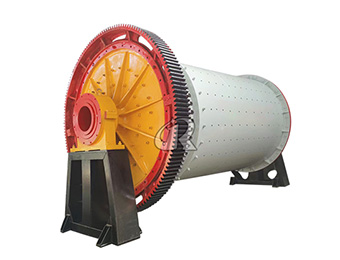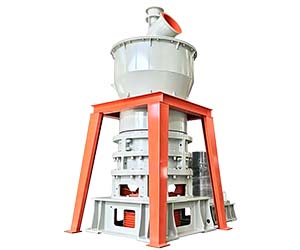
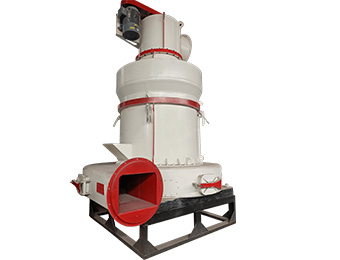
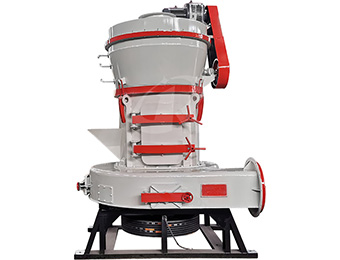
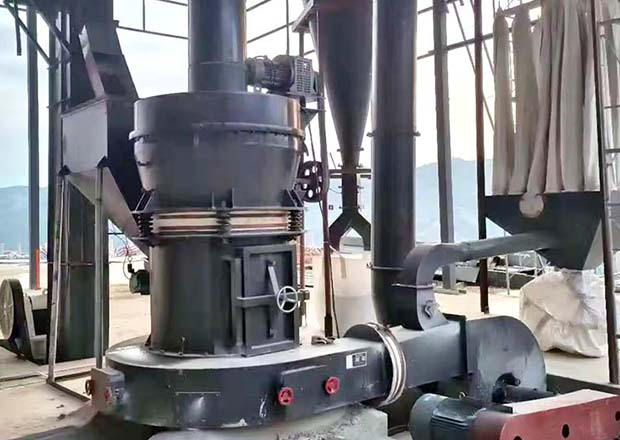

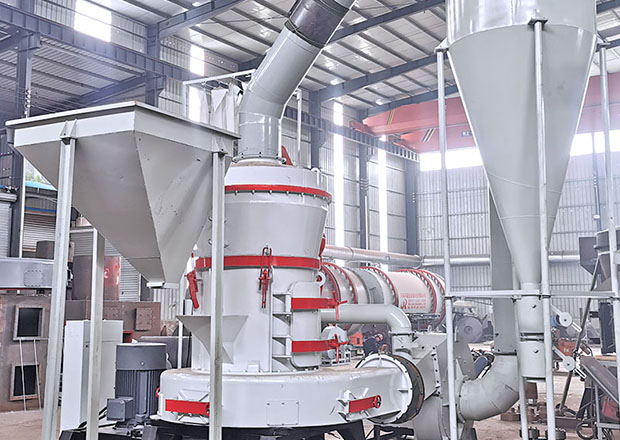
Calcium Carbonate Grinding Mill Plant
Product Introduction
Calcium Carbonate Powder Production Line (Raymond Mill) | High Efficiency Grinding, Controllable Fineness
Ground calcium carbonate (GCC) is the world‘s largest-volume inorganic non-metallic mineral filler, widely used in plastics, paper, paints, rubber, sealants, building materials, feed, and many other industries. As downstream industries continue to raise their product quality standards, the demand for calcium carbonate powder with higher fineness, narrower particle size distribution, and higher whiteness continues to grow.
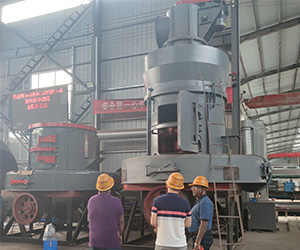
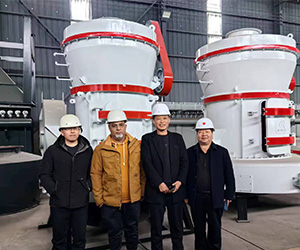
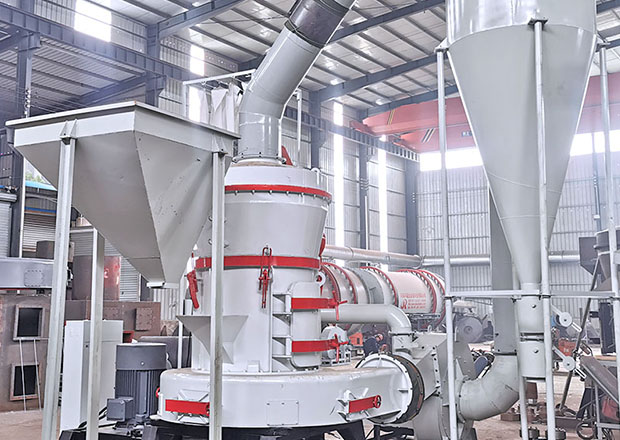
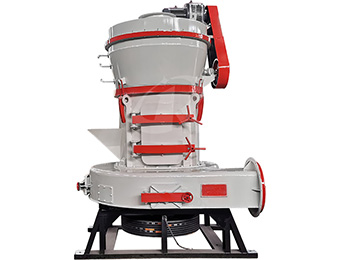
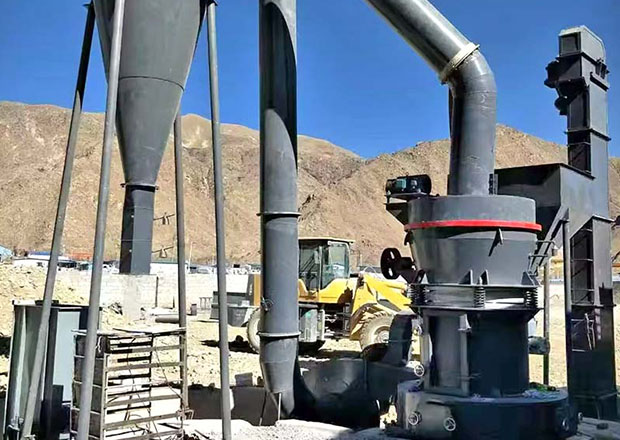
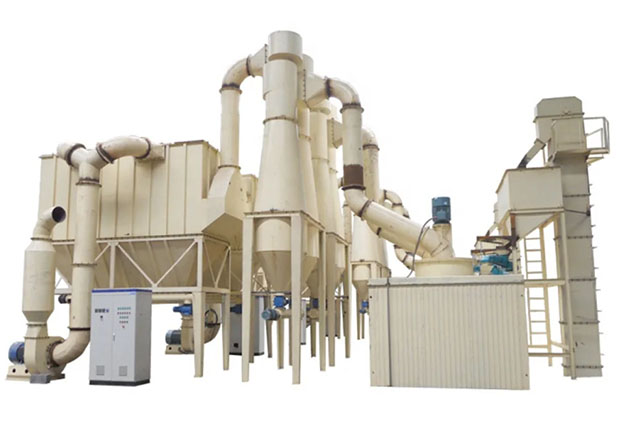
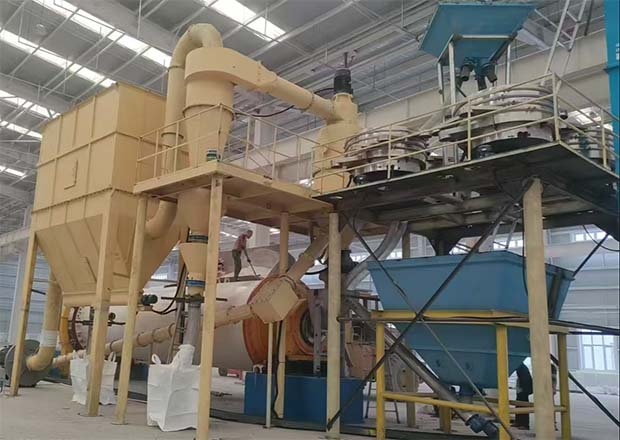
Our Calcium Carbonate Powder Production Line uses a Raymond mill as the core grinding equipment, combined with auxiliary equipment such as a jaw crusher, bucket elevator, vibrating feeder, classifier, pulse dust collector, and packaging machine to form a complete, efficient, and environmentally friendly calcium carbonate powder processing line. The Raymond mill offers significant advantages: compact structure, small footprint, low power consumption, uniform product fineness, and high one-pass powder yield. It is particularly suitable for processing calcium carbonate raw materials (such as calcite, limestone, marble, and chalk) with Mohs hardness ≤7 and moisture ≤6%.
This production line can grind calcium carbonate raw material from a feed size of ≤30mm down to 80-400 mesh (expandable to 600 mesh or finer), meeting the requirements of different industries: plastic filling (400-800 mesh), paper coating (600-1250 mesh), paint pigments (800-1250 mesh), and building material fillers (200-325 mesh).
Calcium carbonate powder of different fineness is widely used in the following industries:
| Application Industry | Typical Fineness | Value Proposition |
|---|---|---|
| Plastics Industry | 400-800 mesh | As functional filler, improves rigidity, heat resistance, and dimensional stability, reduces production costs |
| Paper Industry | 600-1250 mesh (coating grade) or 200-325 mesh (filler grade) | Improves paper whiteness, smoothness, opacity, reduces wood pulp usage |
| Paints & Coatings | 800-1250 mesh | Enhances opacity, improves leveling, increases weather resistance, partially replaces titanium dioxide |
| Rubber Industry | 400-800 mesh | Improves abrasion resistance, tensile strength, and processing performance of rubber products |
| Sealants & Adhesives | 400-800 mesh | Increases volume, improves thixotropy and bond strength |
| Building Materials | 200-325 mesh | Used in putty, dry-mix mortar, artificial stone, calcium-plastic boards, improves workability and durability |
| Feed Industry | 80-200 mesh | As calcium supplement, promotes animal bone development |
Product Features
Raymond Mill Core Grinding Technology
Uses Raymond mill for calcium carbonate grinding—compact structure, small footprint, low power consumption (25-35 kWh/ton), uniform product fineness, high one-pass powder yield
Wide Adjustable Fineness Range
By adjusting classifier speed, product fineness can be freely adjusted from 80-400 mesh (optional ultrafine classifier for 600-1250 mesh) to meet different industry requirements
High Automation
PLC fully automatic control with centralized control from feeding, grinding, classification, collection to packaging, reducing labor and ensuring product consistency
Environmental Protection
Negative pressure operation throughout, equipped with high-efficiency pulse baghouse filter achieving dust emissions below 20mg/Nm³, meeting domestic and international environmental standards
Strong Raw Material Adaptability
Can process calcite, limestone, marble, chalk, and other calcium carbonate raw materials—adjust process parameters based on material hardness and moisture
Low Maintenance Cost
Raymond mill rollers and rings made of high-manganese alloy or wear-resistant ceramic—long service life (8,000-12,000 hours); wear parts are easy to replace
Energy Saving & High Whiteness
Raymond mill saves 30%-40% energy compared to ball mills; overall line energy consumption optimized, reducing production cost per ton. Grinding process has no iron contamination (optional ceramic liners and rollers), product whiteness maintains natural raw material level, meeting high-end application requirements
Turnkey Project & Modular Design
Comprehensive EPC services from process design and equipment manufacturing to installation, commissioning, and personnel training. Flexible configuration based on customer site and capacity requirements—from small (1-2 t/h) to large (10-20 t/h)
Working Principle
The complete process flow of the Calcium Carbonate Powder Production Line (Raymond Mill) is as follows:
Step 1: Raw Material Crushing
Large pieces of calcite/limestone/marble (≤300mm) are coarsely crushed to ≤30mm by a jaw crusher. If the raw material size already meets the requirement, the crushing step can be omitted.
Step 2: Material Conveying & Feeding
The crushed calcium carbonate material is lifted by a bucket elevator into a raw material silo, then an electromagnetic vibrating feeder uniformly and quantitatively feeds the material into the Raymond mill grinding chamber.
Step 3: Raymond Mill Grinding
When the Raymond mill main unit is working, the grinding rollers tightly press against the grinding ring under centrifugal force, and the material is crushed and ground between the rollers and the ring. Meanwhile, the shovel blade scoops up the material and throws it between the rollers and ring. A fan blows air into the grinding chamber, carrying the fine powder to the classifier.
Step 4: Classification & Collection
The classifier controls the final fineness by adjusting the speed of the classifying rotor. Qualified fine powder passes through the classifier and is collected by a pulse baghouse filter; unqualified coarse powder falls back into the grinding chamber for regrinding. The collected powder is discharged via a discharge valve and conveyed by a screw conveyor to the finished product silo or packaging machine.
Step 5: Packaging
The finished calcium carbonate powder is packed by an automatic packaging machine into bags (25kg/50kg) or bulk containers, with packaging specifications customizable to customer requirements.
System Advantages:
The entire system operates under negative pressure, preventing dust leakage and meeting environmental standards.
Optional activated carbon adsorption or desulfurization device (for sulfur-containing raw materials).
Optional classifier in series for ultrafine powder (600-1250 mesh).
Technical Parameter
| Model | KL500 | KL650 | KL780 | KL980 | KL1100 | KL1450 | KL1760 | KL1950 | KL2100 |
| Handling Ability (t/h) | 0.5-2 | 0.5-2.5 | 1-3 | 1.5-4 | 2-6 | 6-10 | 8-20 | 15-30 | 20-40 |
| Main Motor Power(kw) | 7.5 | 15 | 18.5 | 30 | 45 | 90 | 132 | 185 | 220 |
| Fan power(kw) | 5.5 | 11 | 15 | 22 | 37 | 90 | 132 | 185 | 220 |
| Analyst power(kw) | 1.1 | 1.1 | 2.2 | 2.2 | 5.5 | 7.5 | 22 | 37 | 45 |
| Rotate Speed(r/m) | 120 | 120 | 120 | 120 | 120 | 90 | 90 | 90 | 90 |
| Diameter of Grinding Ring(mm) | 500 | 650 | 780 | 980 | 1100 | 1450 | 1760 | 1950 | 2100 |
| Diameter of Grinding Roll(mm) | 150 | 180 | 260 | 300 | 320 | 400 | 450 | 570 | 630 |
| Maximum Feed(mm) | 15 | 15 | 15 | 20 | 25 | 30 | 30 | 40 | 40 |
| Finished Particle Size(mm/mesh) |
1.6 ------ 0.045mm (16-325 Mesh) |
1.6------0.023mm (16-600mesh) |
|||||||
| Weight(t) | 1.8 | 2.8 | 3.8 | 6.5 | 14.5 | 26 | 48 | 65 | 85 |
Why Choose Us
Optimized for Calcium Carbonate Processing: Raymond mill has optimized grinding pressure and airflow for calcium carbonate characteristics (medium hardness, easy grinding, iron contamination sensitivity)—optional ceramic wear parts ensure high whiteness.
Uniform Product Fineness, High Activity: Raymond mill produces calcium carbonate powder with concentrated particle size distribution and high specific surface area, resulting in better downstream application performance.
Significantly Lower Operating Costs: Low power consumption (25-35 kWh/ton), long life of wear parts, high automation, and low labor costs.
Environmental Compliance, Green Production: Fully enclosed negative pressure system + high-efficiency dust collection—no dust leakage, meets international environmental requirements, helps customers pass environmental assessments.
Global Service Experience: Our calcium carbonate production lines and raymond mill system have been exported to over 50 countries and regions in the Middle East, Southeast Asia, Africa, and South America, providing overseas installation, commissioning, and operation training.
EPC Turnkey Service: From raw material analysis to finished product packaging, we provide one-stop solutions for customer convenience.
Build your calcium carbonate powder production line and enter the global high-value powder market! Contact us today for a customized solution and quote.
Request a Quote → Tell us your capacity requirements, target fineness, and raw material type, and we will respond within 24 hours
Company Profile
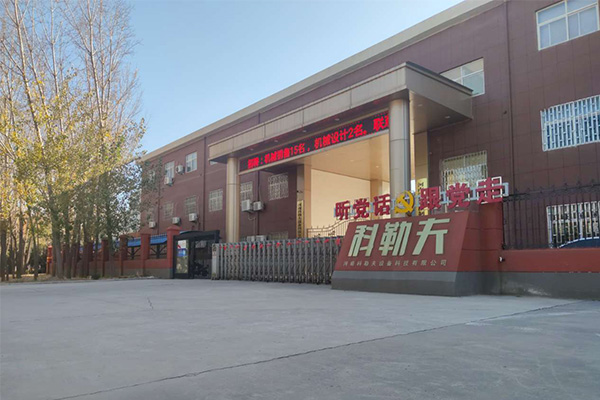
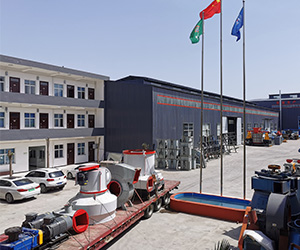
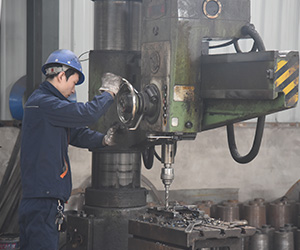
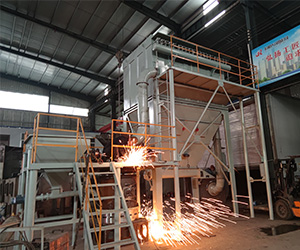
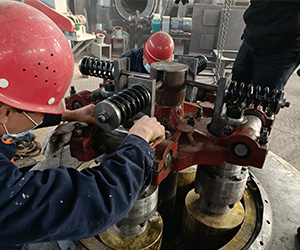
Kolev Equipment Technology Co., Ltd. is a large-scale private technology enterprise. The company is committed to the research and development, production and sales of technical equipment for the mining and metal ore industries. It has been deeply involved in the ultra-fine grinding, industrial drying and crushing sand making industries for many years. We can provide you with Provide intelligent solutions and mature supporting products, focusing on the development of various powder equipment, complete powder production lines, drying production lines, sand and gravel line equipment and projects.Products are sold to 160 countries and regions and are well received by customers.
Kolev Equipment has always been adhering to the business philosophy of surviving by quality and developing by credibility, striving to win the trust of customers with high-quality products and perfect after-sales service, and create a brilliant future for Kolev.